All Categories
Featured


Why Static Planning Is No Longer Enough
Table of Contents

Modern Approaches to Wealth in 2026
The year 2026 has actually brought a shift in how people perceive and handle their individual finances. Gone are the days when easy savings accounts and basic 401k contributions sufficed to secure a comfortable future. The present financial environment needs a more technical understanding of how credit, debt, and properties connect. This is where professional financial therapy has stepped in to fill a space that innovation alone can not bridge. In 2026, the human aspect of counseling focuses on information interpretation and behavioral psychology to help individuals navigate a market that feels more automated than ever.
Financial therapists now act as navigators through a complicated labyrinth of digital properties and traditional liabilities. They highlight that wealth structure is no longer a fixed goal but a continuous process of modification. Lots of individuals in North Carolina have discovered that generic suggestions from 2025 or earlier no longer applies. Instead, therapists are taking a look at real-time data to anticipate how rates of interest shifts and inflationary pressures will impact individual buying power. Interest in Travel Budgeting has increased as individuals look for methods to protect their properties from unpredictable market swings.
Advanced Credit Structure Techniques in North Carolina
Credit has ended up being the primary tool for wealth generation in 2026. It is no longer just a procedure of one's ability to pay back a loan however a reflection of total monetary health. Expert counselors typically start by auditing a person's digital credit profile. This includes looking beyond the three basic bureaus to see how alternative information, such as energy payments and subscription histories, affects financing decisions. High-tier therapy methods include "credit laddering," where consumers strategically open and manage specific types of accounts to activate positive movements in their internal bank scores.
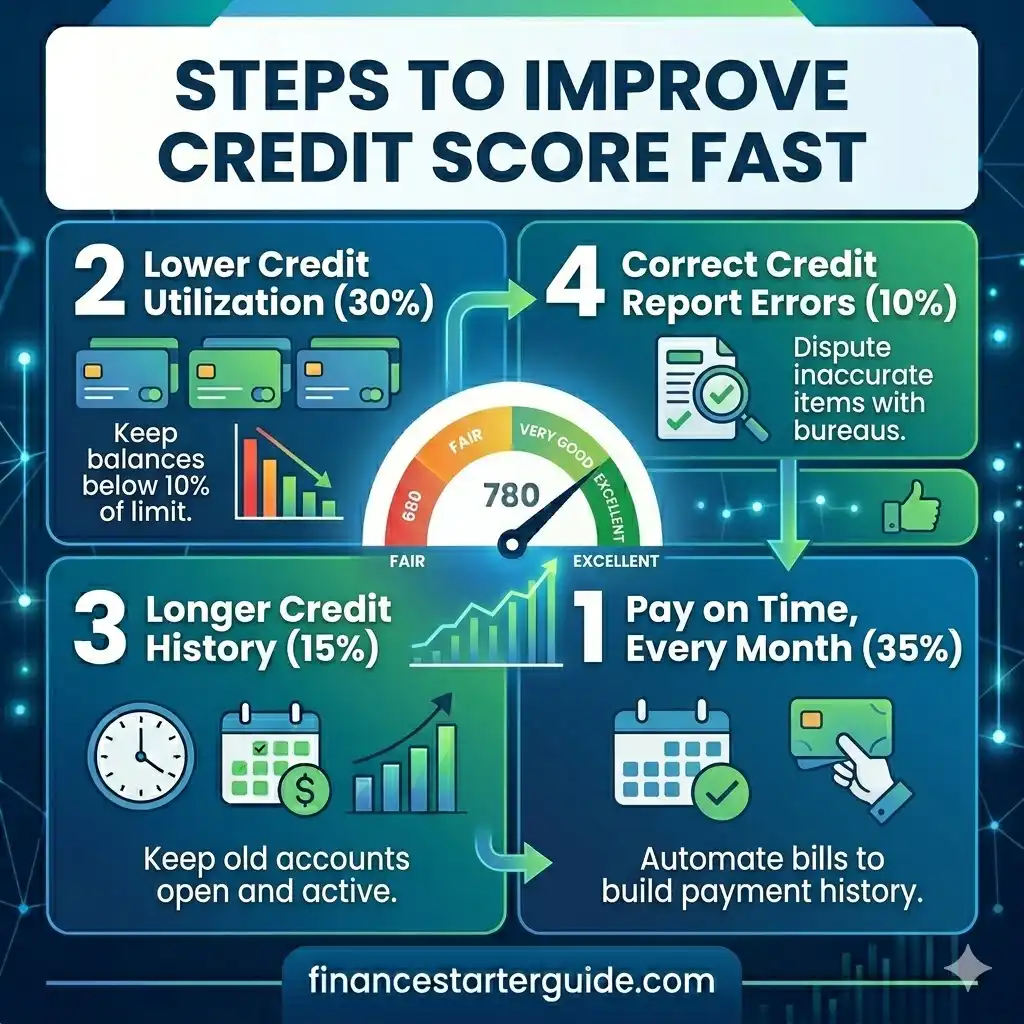
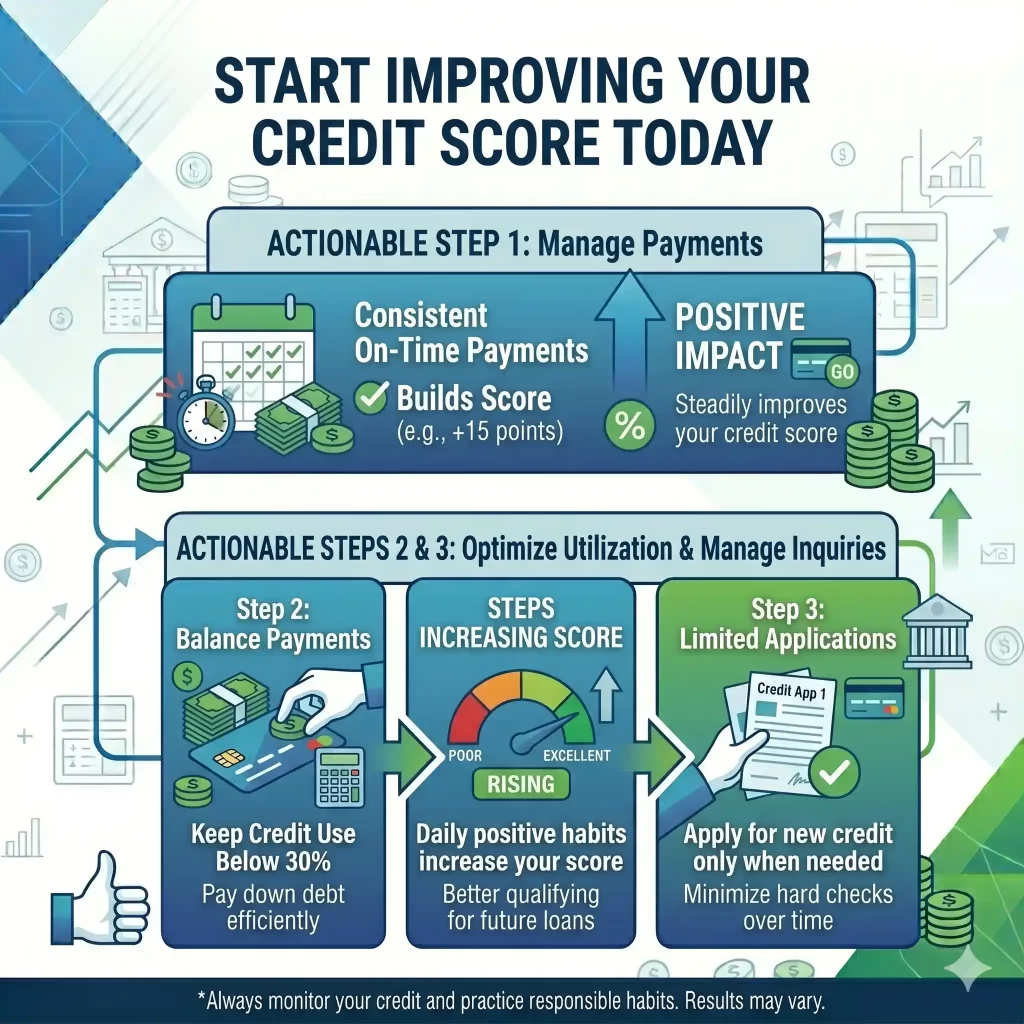
Effective credit management in the present year often involves more than just paying bills on time. It requires a deep understanding of usage ratios and the timing of reporting cycles. People seeking professional guidance typically learn that the day a balance is paid matters as much as the quantity paid. By lining up payment dates with declaration closing dates, smart consumers can synthetically lower their reported debt, which can result in immediate score improvements. Online Relief Support Portal uses a structured way to handle intricate financial obligation circumstances that might otherwise stall an individual's development towards homeownership or organization financial investment.
The Impact of Professional Financial Support on Regional Development
Economic stability in North Carolina is closely connected to the creditworthiness of its locals. When a big percentage of the population has access to low-interest capital, the whole local economy feels the advantage. Financial counselors are focusing greatly on "algorithmic hygiene," a practice that involves cleaning up digital footprints that may negatively impact an individual's financial standing. This includes disputing errors in automatic reporting systems that have ended up being more common as AI-driven background checks end up being the standard for whatever from apartment or condo leasings to task applications.
Counselors likewise teach clients how to use credit as a bridge to investment. In 2026, it prevails to use low-interest lines of credit to money revenue-generating properties. This approach needs discipline and a clear exit method, both of which are main styles in contemporary therapy sessions. Success in contemporary markets typically needs specific Travel Budgeting for Abroad to make sure that every monetary move is backed by current information instead of out-of-date presumptions.
Technological Integration in 2026 Wealth Therapy
While the human counselor remains central to the process, the tools they utilize have actually changed. In 2026, monetary therapy involves making use of predictive modeling to reveal clients precisely where they will be in five or ten years based upon their present habits. These designs consider cost-of-living adjustments specific to North Carolina. This level of detail helps remove the guesswork from budgeting and permits more aggressive wealth-building techniques. A counselor might recommend moving funds from a conventional cost savings account into a high-yield digital bond or a fractional property platform, depending upon the client's danger tolerance.
Psychology also plays a bigger function in these sessions. Therapists are trained to recognize "investing triggers" that are frequently exacerbated by the 2026 digital shopping environment. With one-click purchases and social media-driven usage at an all-time high, the therapist's job is to supply a buffer in between the impulse and the action. They help clients construct strong monetary routines that can withstand the constant pressure to spend. This behavioral coaching is typically the distinction between someone who simply gets by and someone who actually builds a considerable net worth over time.
Structure Resiliency Through Specialized Financial Advice
Financial resiliency is the ability to recuperate rapidly from problems. In 2026, problems can be available in the form of abrupt task shifts or unanticipated medical expenses. Therapists advise an "emergency credit method" together with conventional emergency funds. This includes preserving high-limit, zero-balance credit cards that can be utilized in a crisis, making sure that the individual does not have to liquidate long-lasting financial investments at a loss. This dual-layered approach to security offers peace of mind and enables more positive long-term planning.
The goal of counseling in North Carolina is to move the client from a state of financial defense to a state of monetary offense. This means being proactive about debt instead of reactive. Instead of waiting for an expense to end up being an issue, therapists assist clients restructure their debt before it impacts their rating. This might involve combining high-interest loans into a single, manageable payment or negotiating with financial institutions for better terms based upon a long-standing history of reliability. These techniques prevail in professional circles however frequently overlooked by the public.
The Future of Wealth in North Carolina
Looking towards completion of 2026, the demand for top-level financial guidance is expected to increase. As the space between those who comprehend the digital economy and those who do not continues to widen, the role of the counselor ends up being even more significant. They are the gatekeepers of monetary literacy, providing the tools needed for the typical person to contend in a market dominated by institutional players. By concentrating on credit building and strategic financial obligation management, these professionals are helping to create a more equitable financial environment.
Wealth building in 2026 is less about picking the best stock and more about preserving the right monetary profile. A high credit history and a low debt-to-income ratio are the secrets to accessing the best opportunities. Whether somebody is seeking to buy their first home in North Carolina or beginning a small company, the structure is always the same. Professional therapy supplies the blueprint, the responsibility, and the technical knowledge to turn those goals into a reality. The focus remains on consistent, sustainable development that can weather the inescapable shifts of the coming years.
By dealing with credit as a main asset, individuals can unlock levels of wealth that were formerly booked for the upper class. The democratization of monetary tools has made this possible, but it is the assistance of a professional that makes it practical. As 2026 advances, those who accept these modern counseling techniques will likely find themselves in a much stronger position than those who hold on to the financial practices of the past. Success is a matter of preparation, data, and the determination to adapt to a changing financial environment.

Latest Posts

Quick Tips to Fix Your Credit Profile Now

Methods to Increase Credit Score Fast 2026

Your Consumer Rights Under 2026 Credit Laws